
Done playing nice.
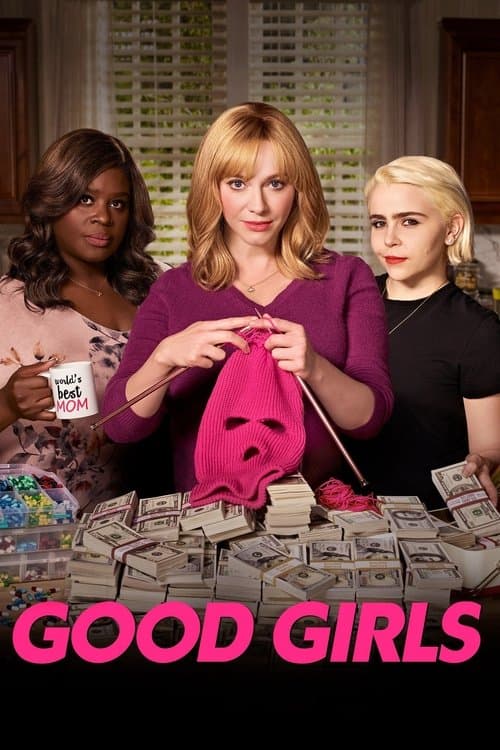
Three "good girl" suburban wives and mothers suddenly find themselves in desperate circumstances and decide to stop playing it safe and risk everything to take their power back.
Status
Canceled
Seasons
4
Episodes
50
Creator
Jenna Bans
Original Language
EN
Popularity
17
Where to Watch
Seasons & Episodes
Cast


Reviews
Marco-Hugo Landeta Vacas
(CASTELLANO) Chicas buenas comienza con una idea muy sencilla, pero también muy efectiva: tres mujeres normales, agotadas de intentar llegar a fin de mes y de solucionar los problemas de todo el mundo, deciden atracar un supermercado. Lo que debía ser un golpe aislado para salir del paso termina metiéndolas en un mundo criminal del que cada vez resulta más difícil escapar. La serie tiene un comienzo fantástico. Es divertida, tiene ritmo y consigue darle una vuelta bastante original a la típica historia de personas corrientes que cruzan la línea y descubren que ya no pueden volver atrás. En lugar del antihéroe masculino de siempre, aquí tenemos a tres madres de los suburbios que compaginan colegios, hipotecas, matrimonios desastrosos y niños enfermos con atracos, blanqueo de dinero y delincuentes peligrosos. Beth, Ruby y Annie no se convierten de repente en criminales expertas. Improvisan, se equivocan, entran en pánico y toman decisiones absurdas. Ahí está buena parte de la gracia inicial: son mujeres completamente fuera de su ambiente intentando sobrevivir a situaciones cada vez más grandes. Cada solución provoca un problema nuevo y cada intento de abandonar el crimen solo consigue hundirlas un poco más. Christina Hendricks está estupenda como Beth. Al principio parece la más estable de las tres, pero poco a poco descubre una parte de sí misma que llevaba años escondida. No entra en el mundo criminal únicamente por necesidad; también empieza a gustarle la sensación de control, poder y libertad que encuentra allí. Es el personaje más interesante porque nunca queda claro si realmente desea recuperar su antigua vida. Retta aporta mucha humanidad como Ruby. Su necesidad de conseguir dinero para ayudar a su hija hace que sus decisiones sean fáciles de comprender, aunque no siempre resulten sensatas. Es quien conserva con más fuerza el conflicto moral y la conciencia de que cada paso puede destruir aquello que intenta proteger. Mae Whitman convierte a Annie en el personaje más impulsivo y caótico. Muchas veces toma decisiones desesperantes, pero también aporta humor, energía y vulnerabilidad. Annie puede comportarse como una adolescente a pesar de ser madre, y esa inmadurez la mete continuamente en problemas. Aun así, Whitman consigue que entendamos la inseguridad que existe detrás de sus errores. La relación entre las tres es el verdadero corazón de la serie. Funcionan porque parecen amigas de verdad: se apoyan, discuten, se ocultan cosas y en ocasiones están a punto de destruirse mutuamente. La química entre Hendricks, Retta y Whitman mantiene viva la historia incluso cuando los guiones empiezan a repetirse. También funciona muy bien Rio, interpretado por Manny Montana. Su relación con Beth aporta peligro, tensión y una atracción evidente. Rio representa el mundo en el que Beth cree que puede entrar y salir cuando quiera, aunque él siempre se encarga de recordarle que no es ella quien pone las reglas. El problema es que esta dinámica acaba repitiendo demasiadas veces las mismas amenazas, traiciones y acercamientos. Ese es el principal defecto de Chicas buenas: llega un momento en el que empieza a dar vueltas sobre sí misma. Las protagonistas intentan dejar el crimen, toman otra mala decisión, vuelven a necesitar a Rio, preparan un nuevo plan y terminan todavía más atrapadas. Al principio esta estructura resulta divertida porque cada desastre parece mayor que el anterior. Con el tiempo empieza a sentirse como una fórmula de la que la propia serie no sabe escapar. También resulta frustrante que sigan cometiendo errores muy parecidos después de haber acumulado tanta experiencia. Es lógico que no se conviertan en delincuentes perfectas, porque perderían parte de su encanto, pero algunas decisiones parecen existir únicamente para prolongar la trama. En lugar de evolucionar, los personajes regresan constantemente a los mismos conflictos. La serie tampoco termina de decidir cuánto quiere tomarse en serio su propia historia. A veces funciona como una comedia negra ligera y disparatada; en otros momentos quiere convertirse en un drama criminal con violencia, consecuencias y dilemas morales. Esa mezcla forma parte de su personalidad, pero no siempre está bien equilibrada. Algunos acontecimientos parecen gravísimos durante un episodio y después casi desaparecen. A pesar de todo, Chicas buenas nunca llega a convertirse en una mala serie. Las tres protagonistas siguen estando estupendas, los diálogos conservan bastante agilidad y siempre queda algo de aquella energía inicial que la hacía tan fácil de ver. Incluso en sus tramos más repetitivos mantiene momentos divertidos y situaciones tensas. La pena es que tenía una base magnífica para haber llegado mucho más lejos. Su comienzo era fresco, original y muy entretenido: tres mujeres cansadas de vivir bajo las decisiones de otros que encuentran en el crimen una forma inesperada de poder y autonomía. Pero, en lugar de desarrollar esa idea, la serie termina perdiéndose entre planes cada vez más enrevesados, amenazas repetidas y personajes condenados a cometer siempre los mismos errores. Chicas buenas sigue siendo graciosa, entretenida y bastante original, especialmente durante sus primeras temporadas. Sus protagonistas tienen carisma de sobra para sostenerla, pero acaba alejándose de aquello que la hacía especial. Con una dirección narrativa más clara podría haber sido una serie muchísimo mejor. (ENGLISH) Good Girls begins with a very simple but highly effective idea: three ordinary women, exhausted from trying to make ends meet and solve everyone else’s problems, decide to rob a supermarket. What was supposed to be a one-time job to get them out of trouble ends up dragging them into a criminal world that becomes increasingly difficult to escape. The series has a fantastic beginning. It is funny, fast-paced and finds a fairly original variation on the familiar story of ordinary people crossing a line and discovering that they cannot go back. Instead of the usual male antihero, we have three suburban mothers balancing schools, mortgages, disastrous marriages and sick children with robbery, money laundering and dangerous criminals. Beth, Ruby and Annie do not suddenly become brilliant criminals. They improvise, make mistakes, panic and take absurd decisions. That is where much of the early humor comes from: these are women completely out of their depth, trying to survive situations that become larger and more dangerous every time. Every solution creates a new problem, and every attempt to leave crime behind only pulls them deeper into it. Christina Hendricks is excellent as Beth. At first, she seems the most stable and conventional of the three, but she gradually discovers a side of herself that she had kept hidden for years. She does not enter the criminal world only out of necessity; she also begins to enjoy the control, power and freedom she finds there. Beth is probably the most interesting character because it is never clear whether she truly wants her old life back or whether she can no longer stand the idea of returning to it. Retta brings a great deal of humanity to Ruby. Her need to find money to help her daughter makes her decisions particularly easy to understand, even when they are not sensible. She is the character who most strongly retains a moral conflict, an awareness that every action has consequences and a fear of destroying everything she is trying to protect. Mae Whitman, meanwhile, makes Annie the most impulsive and chaotic member of the group. She often makes incredibly frustrating choices, but she also brings energy, humor and vulnerability. Annie can behave like a teenager despite being a mother, and that immaturity repeatedly gets her into trouble. Even so, Whitman prevents her from becoming completely unbearable and helps us understand the insecurity behind her mistakes. The friendship between the three women is the true heart of the series. They work because they feel like real friends: they support each other, argue, hide things from one another and sometimes come close to destroying their relationship. The chemistry between Hendricks, Retta and Whitman keeps the show alive even when the writing begins to repeat itself. Sometimes simply watching them argue in a car is enough to recover everything that makes the series enjoyable. Rio, played by Manny Montana, also works extremely well. His relationship with Beth brings danger, tension and an obvious attraction that the series uses throughout much of its run. Rio represents the world Beth believes she can enter and leave whenever she chooses, although he is always there to remind her that she does not make the rules. The problem is that this dynamic continues for too long and eventually repeats the same threats, betrayals and reconciliations again and again. That is the main weakness of Good Girls: eventually, it begins circling around itself. The women try to leave crime, make another terrible decision, need Rio again, create another plan, watch it fail and end up even more trapped than before. At first, this structure is entertaining because each new disaster seems bigger than the last. Over time, however, it starts to feel like a formula that the series itself does not know how to escape. It is also frustrating that the main characters continue making very similar mistakes after gaining so much experience. It makes sense that they never become perfect criminals, because they would lose part of their charm, but some decisions eventually appear to exist only to keep the story going. Instead of genuinely evolving, the characters repeatedly return to the same conflicts. The series never fully decides how seriously it wants us to take its crime story either. Sometimes it works as a light and outrageous black comedy. At other times, it wants to become a serious crime drama involving violence, consequences and moral dilemmas. That mixture is part of its personality, but it is not always well balanced. Some developments seem extremely serious for one episode and then nearly disappear to make room for the next problem. Despite all this, Good Girls never becomes a bad series. Its three leads remain excellent, the dialogue retains plenty of energy and some of the original spirit that made the show so easy to watch is always there. Even during its most repetitive stretches, it still offers funny moments, tense situations and characters we have followed for too long to stop caring about them completely. The unfortunate thing is that it had a brilliant foundation and could have gone much further. Its beginning was fresh, original and highly entertaining. There was a great story here about three women tired of living according to other people’s decisions, who find an unexpected form of power and independence through crime. But instead of allowing that idea to evolve, the series eventually becomes lost in increasingly complicated plans, repeated threats and characters seemingly condemned to make the same mistakes forever. Good Girls remains funny, entertaining and fairly original, especially during its early seasons. It is easy to watch, and its three leads have more than enough charisma to carry it. But it eventually moves away from what made it special, leaving the feeling that, with clearer narrative direction, it could have become a much better series.